This reflection was written amid rapidly unfolding events. Developments may change, but the moral questions raised here remain.
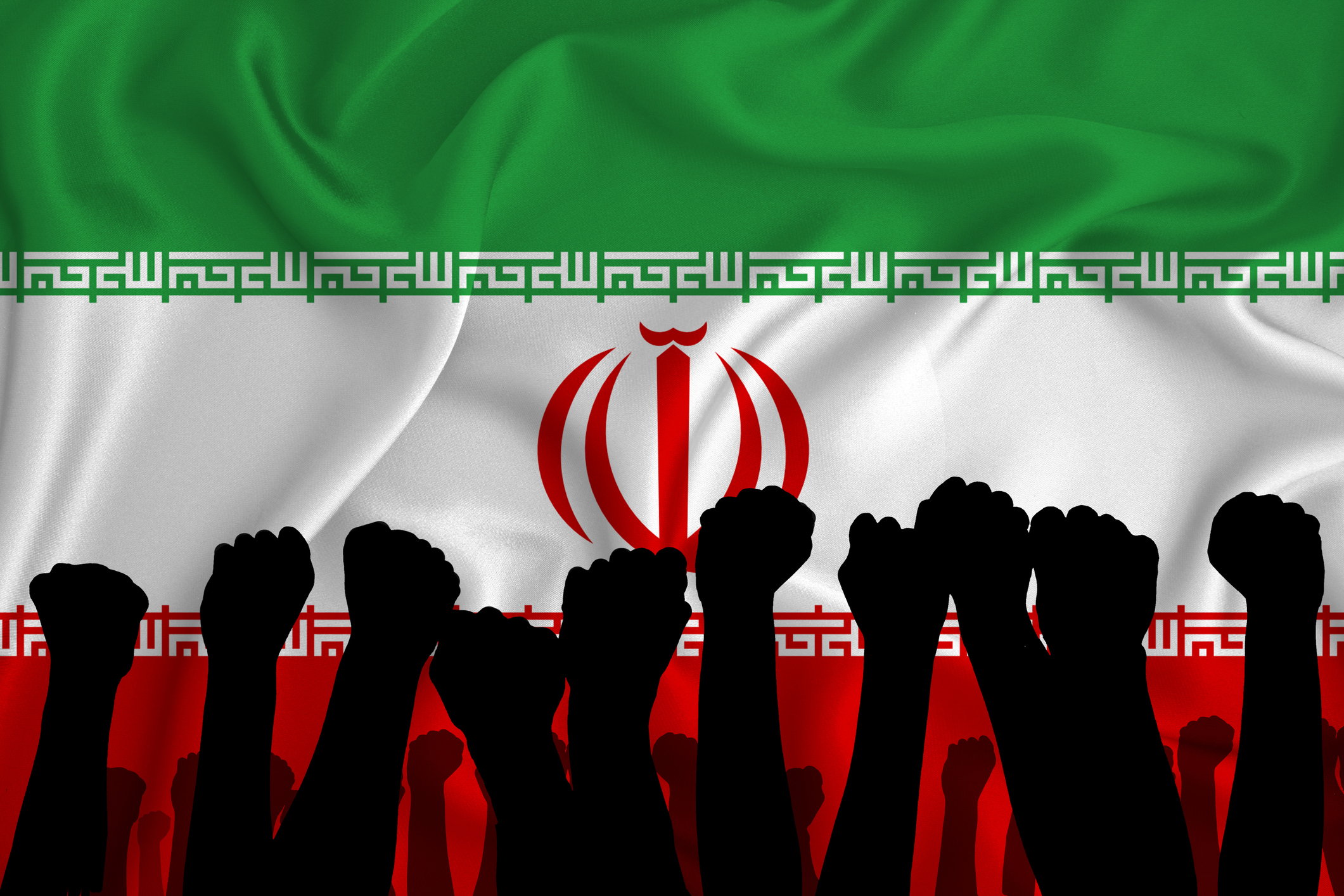
For many Iranians seeking liberation from tyranny, the possibility of a lifeline has hovered in the air.
An attack on the Iranian regime by the United States — openly discussed — seemed to signal that American power would finally confront a government that has brutalized and controlled its people for decades.
Many assumed it was coming. It still might. For now, it has not.
U.S. pressure has helped pause — temporarily — the open slaughter of protesters. How long that restraint will last is uncertain. In the meantime, the regime continues to oppress its people, tightening control more quietly, precisely when it fears exposure.
That moment — when suffering is unmistakably visible but decisive intervention is withheld — forces a painful question: What is the right response when the cry of the oppressed is heard, but the path forward remains morally and politically unclear?
This week’s Torah portion, Va’era, speaks directly into that space.
God declares, “I have heard the groaning of the Israelites… and I have remembered My covenant” (Exodus 6:5). Redemption begins with recognition — suffering no longer denied, minimized, or erased.
Václav Havel, a survivor of Communist tyranny, warned that oppressive systems survive through lies. “Because the regime is captive to its own lies,” he wrote, “it must falsify everything — the past, the present, and the future.”
Pharaoh rules the same way: denying responsibility, offering temporary relief without change, and declaring the crisis resolved while oppression continues. His heart hardens not out of confusion, but strategy — because truth threatens power.
The Torah offers no simple answers about intervention. What it does insist upon is this: we may not look away. Silence, neutrality, and moral convenience sustain the lie.
Redemption does not begin when a regime falls. It begins when suffering is named — and when people refuse to live inside falsehood.
This week, the Torah asks a moral question before a political one: What do we do when we hear the cry?
For now, our tradition demands this: that we keep our eyes on Iran, continue to speak for the Iranian people, press our government to confront wickedness honestly, and stand with those who risk everything to resist oppression — even when the future remains uncertain.
Living in truth, the Torah teaches, is itself an act of resistance.



Leave a Reply